
Franchise category
Beauty & Spa Franchises in the USA: What Investors Should Know
Hair, nails, skin, spa: beauty is a category people keep spending on no matter the economy. So why do some beauty franchises thrive while others struggle to keep a chair filled?
Why Beauty & Spa Is Pulling Investor Attention Right Now
Beauty is one of the few categories where demand doesn't really pause. People keep getting haircuts, keep booking manicures, keep chasing skin treatments and tanning appointments whether the market is up or down. It's a habit business built on recurring visits, not one-time purchases, and that recurring rhythm is exactly what makes it interesting to franchise investors who want a model with built-in repeat traffic.
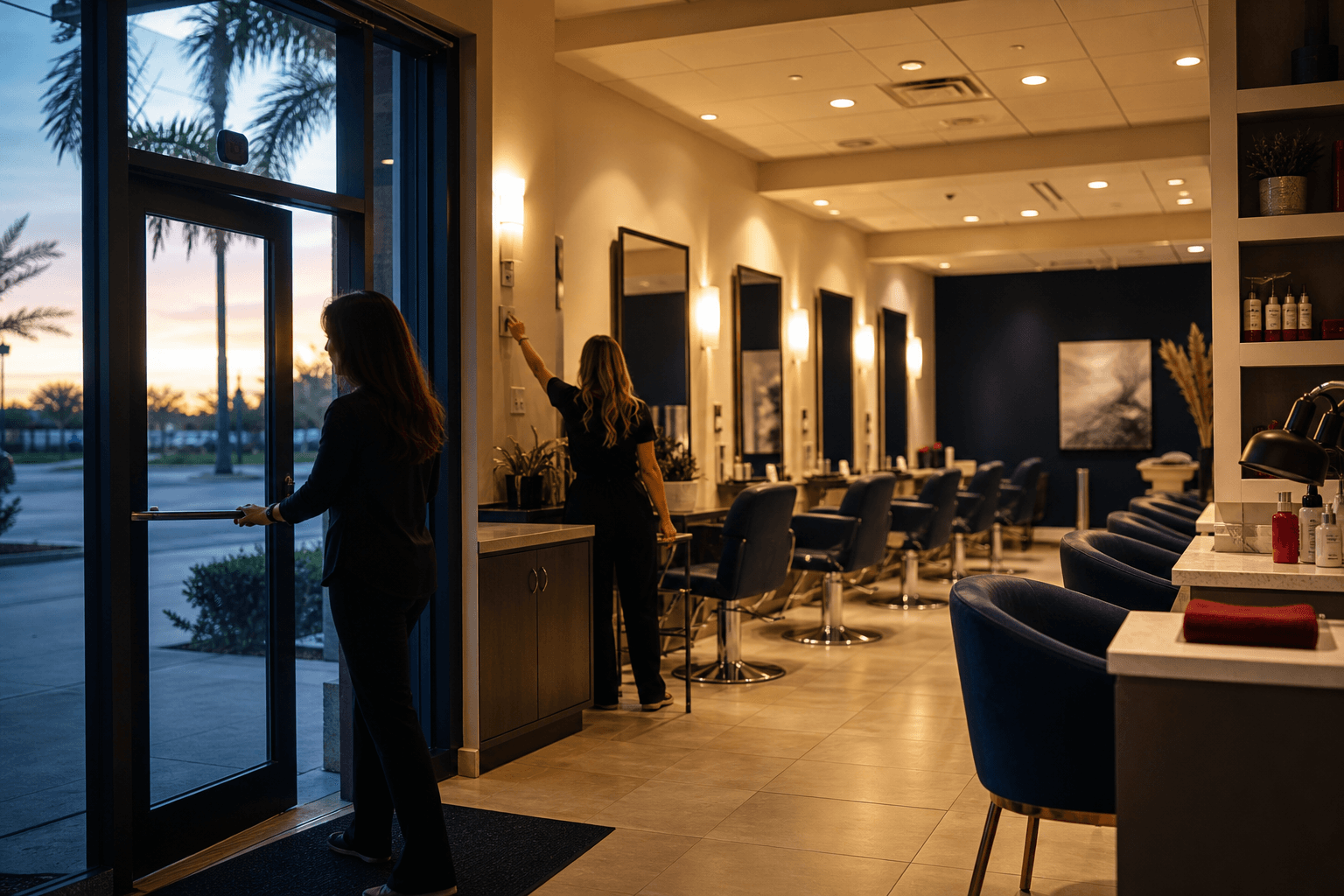
The category is also wide. Beauty & Spa covers hair services, nails, make-up, eyelashes, skin treatments, full spas, general beauty and personal care, tanning, and specialty beauty niches. That range matters for an investor because it means there's more than one way in. Some concepts lean into fast, high-frequency services with quick chair turnover. Others build around longer, higher-touch spa experiences. The segment fits people who like a service business with a visible storefront, a loyal local client base, and a team-driven operation rather than a solo-practitioner model.
It tends to make sense for investors who enjoy people-facing businesses, who are comfortable managing a team of licensed technicians or stylists, and who want a brand system rather than building a beauty business from scratch.
How the Franchise Model Actually Works Here
Every legitimate beauty or spa franchise operates under a Franchise Disclosure Document, the FDD, which is the federally mandated document a franchisor must give a prospective franchisee before any money changes hands. It's the place where the real numbers live: the initial franchise fee, ongoing royalty structure, any marketing fund contribution, and the specific territory being granted. None of that is guesswork, and none of it should be taken from a website or a sales conversation. It's disclosed in writing, and it's the first thing worth reading closely.
In beauty and spa specifically, the initial investment typically covers build-out of a retail space designed for the service (styling stations, treatment rooms, reception and retail area), equipment specific to the service line, initial inventory of products, and training for both the owner and the staff. Because many services in this category require state licensing for individual technicians (cosmetology, esthetics, nail technology), the franchisor's training program usually addresses both brand standards and how the location stays compliant with state licensing requirements for its staff.
Territory in this category is usually defined by population density or a mile radius around the location, since these are trade-area businesses that draw from a local, repeat client base rather than a wide regional draw. Royalties are typically calculated as a percentage of gross sales, paid on an ongoing basis, and that's spelled out in the FDD along with how it's collected and any minimum requirements.
A Week in the Life of a Beauty & Spa Franchise Owner
Most beauty and spa franchises are built as semi-absentee or manager-run operations once the location is established, though many owners start hands-on to learn the business. A typical week involves managing a schedule of licensed technicians, tracking appointment booking and no-show rates, overseeing retail product sales at the front counter, and making sure the location's service quality stays consistent with brand standards.

Because the service is delivered by staff, not necessarily by the owner, this category tends to reward people who are strong at hiring, training culture, and local marketing more than people who want to be behind the chair themselves. Staff retention is a real operational variable here since licensed technicians can move between salons, and a big part of the owner's job is building a workplace good enough to keep them.
What to Evaluate Before Choosing a Brand
Not every beauty franchise system is built the same way, and the differences show up in the FDD long before they show up in a bank account. A few things worth comparing across systems:
| Factor | What to Look For | Why It Matters |
|---|---|---|
| Territory | How the trade area is defined and protected | Determines your real client pool and future competition |
| Training | Ongoing support, not just launch training | Keeps service quality consistent as staff turns over |
| Franchisee Turnover | How many owners leave or don't renew | A signal of how sustainable the model is day to day |
This table shows the categories worth comparing, not the numbers themselves, since those live in each brand's disclosure document.
Beyond the table, it's worth reading how the franchisor structures its royalty and marketing fund obligations, what ongoing support actually looks like beyond the opening weeks, and how much latitude the franchisee has over local pricing and hours. This is precisely the kind of item-by-item document review TFG does across our catalog of vetted brands, drawing on our Franchise Brokers Association membership and Franchise Sales Compliance certification, before any brand is recommended to an investor. There's no extra cost to the investor for this work; it's built into how the franchise brokerage model operates.
Investment-Based Immigration and the Beauty & Spa Category
Beauty and spa franchises are structural businesses with a physical location, staff, and equipment, which is the kind of active operation that can align with an E-2 treaty investor visa for eligible nationalities, or in some cases with EB-5 depending on the investment structure. Neither path is guaranteed by choosing a franchise, and every visa question needs to be evaluated by a licensed immigration attorney who reviews the specific investment and the investor's country of citizenship. TFG works alongside licensed immigration attorney partners when a client's plan involves a visa route, but the legal determination is always theirs to make.
Your Next Step
If Beauty & Spa feels like the right category, the next move isn't picking a brand off a list. It's starting with a clear picture of your capital, your goals, and which franchise systems and visa paths actually fit your situation. TFG's free franchise diagnostic is the first formal step in that process: a short conversation that maps your profile, your available capital, and your possible visa route in minutes, and becomes the foundation for your first conversation with a TFG consultant.
Start the process with your free diagnostic
It is the first formal step of the TFG process: a few minutes of questions map your capital, your timeline, and your possible route. Your consultant receives everything before the first conversation.
Start my free diagnosticFrequently asked questions
- How much does it cost to open a beauty or spa franchise?
- It depends heavily on the concept: a nail or hair salon franchise usually costs less to build out than a full-service spa with treatment rooms and specialized equipment. The exact initial franchise fee, build-out costs, and ongoing royalty are disclosed in each brand's FDD, which is reviewed in detail during a TFG consultation.
- Do I need a cosmetology license to own a beauty franchise?
- Generally no, the franchise owner doesn't need to personally hold a cosmetology or esthetics license, but the technicians providing services do need state licensing. The franchisor's training typically covers how to hire, manage, and stay compliant with those state requirements.
- Can a beauty and spa franchise qualify for an E-2 visa?
- Beauty and spa franchises are active, staffed businesses, which is the type of operation that can align with E-2 treaty investor visa criteria for eligible nationalities. Eligibility always depends on the specific investment and the applicant's citizenship, so it needs review by a licensed immigration attorney.
- Is a beauty franchise a hands-on or semi-absentee business?
- Most beauty and spa franchises are designed to run as semi-absentee or manager-led operations once established, with the owner focused on hiring, staff retention, and local marketing rather than performing services personally. Many owners do start more hands-on in the first months to learn the operation.
- What's the biggest difference between beauty franchise systems?
- The differences usually show up in territory protection, the depth of ongoing training and support, and franchisee turnover, all of which are disclosed in the FDD. A strong system trains staff well, supports owners past the opening period, and keeps franchisees in the system long term.
- What kinds of businesses fall under Beauty & Spa franchises?
- This category spans hair salons, nail studios, make-up and eyelash services, skin treatment centers, full spas, tanning studios, and specialty beauty concepts. Each has a different investment profile, staffing model, and client visit frequency.
From the blog on this category
All articles →


Your next step has a name: diagnostic.
Answer the 2-minute questionnaire and receive your preliminary diagnostic on the spot. It is the same document that opens your conversation with a TFG specialist.
Educational content about the segment. It is not an offer of a specific franchise, financial advice, or legal advice. A franchise offer is made only by the franchisor, through the official disclosure document. Visa paths are always evaluated by licensed immigration attorneys.