
Categoría de franquicias
Franquicias de Tecnología Informática en EE. UU.: Lo Que Debes Saber
Toda empresa necesita a alguien que repare, proteja o mantenga su tecnología, sin importar cómo esté la economía. ¿Es una franquicia de tecnología informática el negocio estable y resistente a las crisis que has estado evaluando?
Por Qué las Franquicias de Tecnología Informática Están Llamando la Atención de los Inversionistas
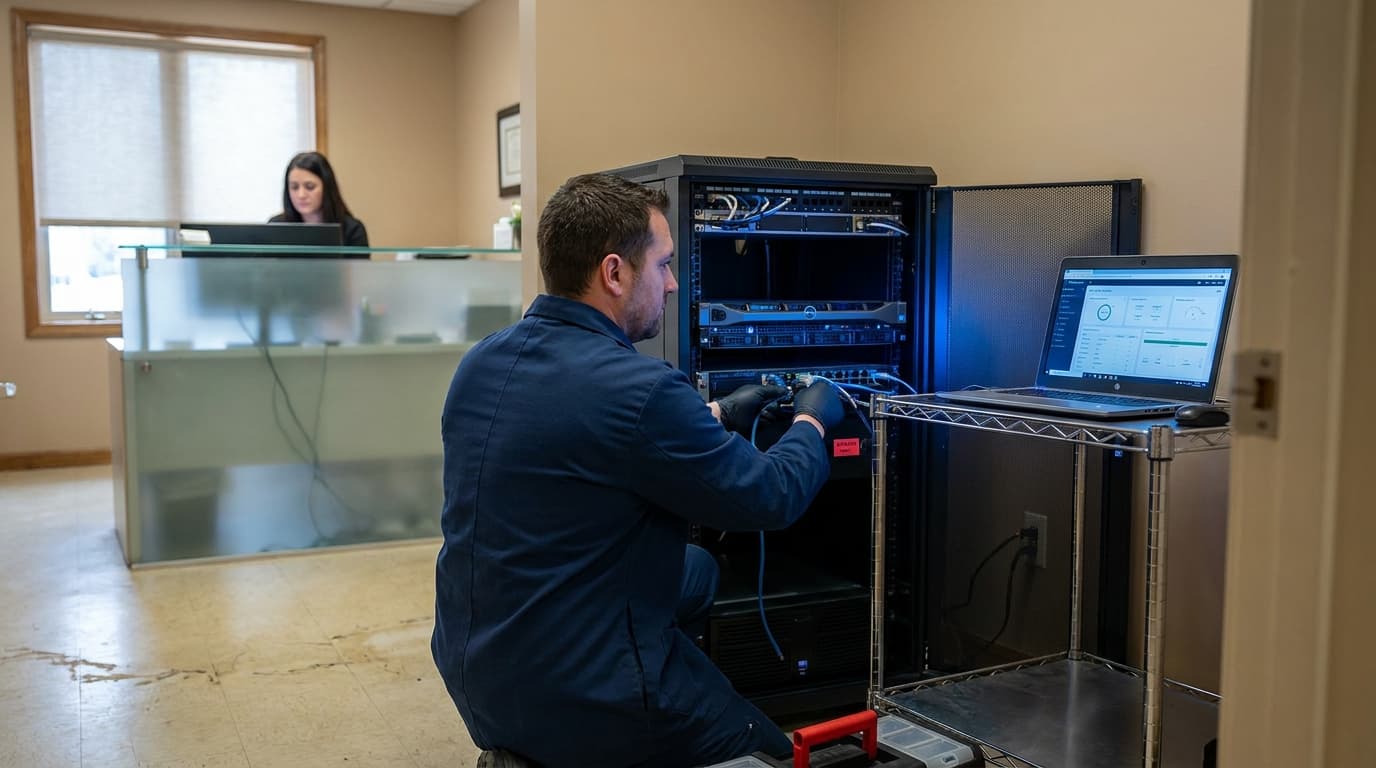
Toda empresa, en cualquier industria, depende hoy de una red que funcione, un sistema protegido y un equipo que encienda cuando alguien lo necesita. Esa dependencia no se reduce cuando la economía se aprieta. Al contrario, se vuelve más urgente: el hardware viejo sigue fallando, el ransomware sigue golpeando a pequeños negocios que nunca presupuestaron para eso, y un distrito escolar o un consultorio dental sigue necesitando a alguien local que conteste el teléfono y llegue cuando se le necesita. Ese es el atractivo central de esta categoría: vende un servicio que las empresas y los hogares no pueden simplemente dejar de necesitar.
La categoría, tal como la define el sistema de franquicias, abarca venta y reparación de equipos, servicios de tecnología en general, seguridad y educación. Ese rango importa. Significa que el inversionista no está apostando por una sola línea de producto, sino por un abanico de servicios que se adapta a lo que realmente necesita cada mercado local, ya sea reparación de dispositivos para el consumidor final, soporte de TI administrado para pequeñas empresas, instalación de sistemas de seguridad o programas educativos enfocados en tecnología. Para un inversionista que viene de fuera de Estados Unidos, esa flexibilidad es parte del atractivo: las habilidades de fondo (entrega organizada del servicio, relaciones recurrentes con clientes, disciplina operativa) se trasladan bien de un país a otro, aunque la tecnología específica cambie año con año.
Este segmento suele encajar mejor con inversionistas que prefieren una relación B2B o híbrida B2B/B2C, en lugar de un modelo puramente minorista y de alto tráfico de clientes que entran por la puerta. Favorece a quienes se sienten cómodos con contratos recurrentes, mantenimiento programado y construir confianza con clientes comerciales a lo largo del tiempo, en vez de depender solo del volumen de clientes que llegan sin cita.
Cómo Funciona el Modelo Realmente, Según el FDD
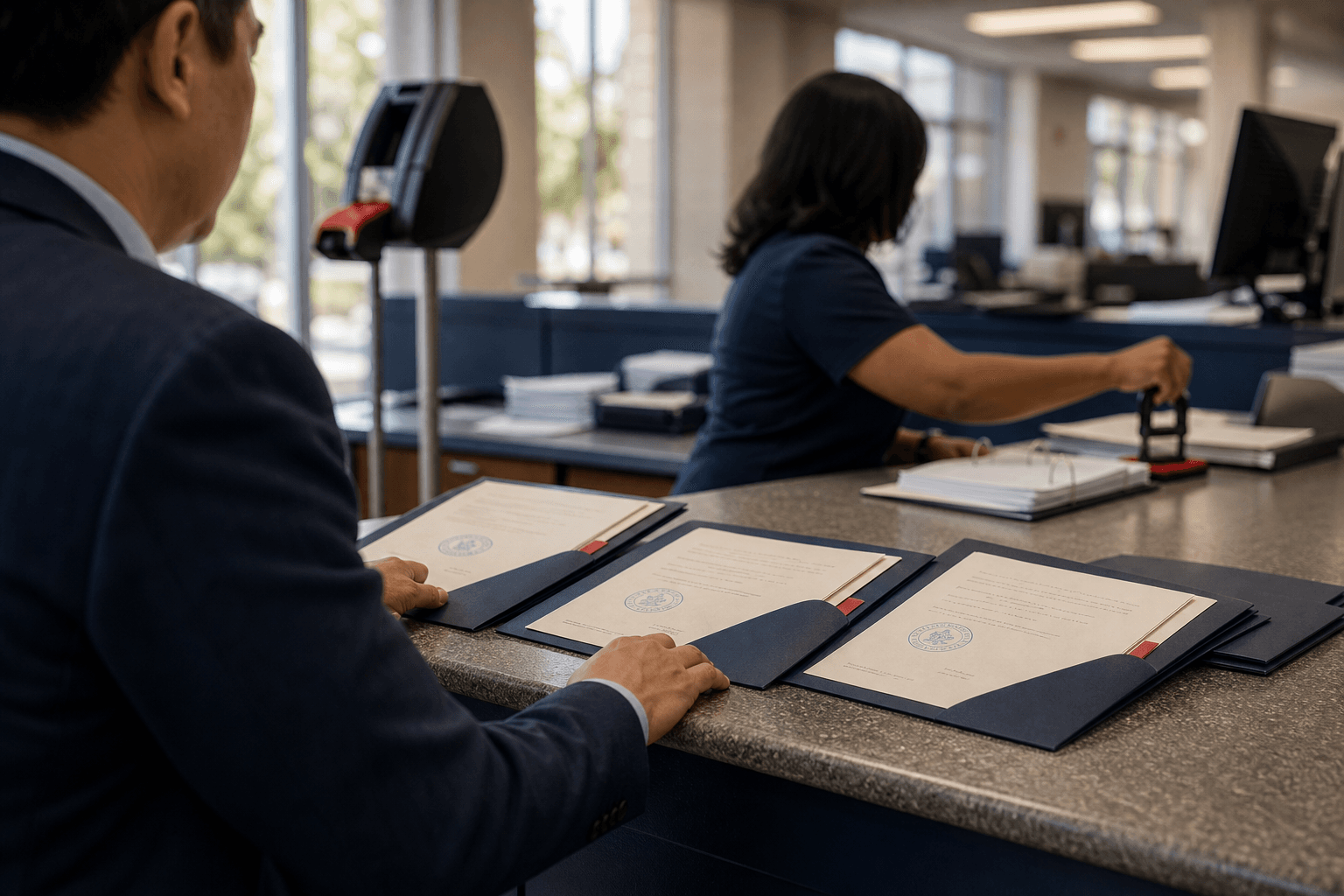
En cualquier franquicia de esta categoría, el documento de divulgación de franquicia (FDD) es el reglamento del juego, y vale la pena entenderlo antes de enamorarse del marketing de una marca. El FDD detalla la cuota inicial de franquicia, la estructura de regalías (royalty) en curso y cómo el franquiciante define y protege el territorio del franquiciatario. En las franquicias de tecnología informática, el territorio suele definirse por densidad de población o por un número determinado de direcciones comerciales, más que por un simple radio geográfico, porque el cliente objetivo es con frecuencia una empresa, una escuela o una institución, y no alguien que pasa caminando por la calle. Esa distinción cambia cómo debe evaluarse un territorio: un corredor comercial con mucho movimiento peatonal significa poco aquí si la zona alrededor no tiene la densidad de pequeñas y medianas empresas que el modelo está diseñado para atender.
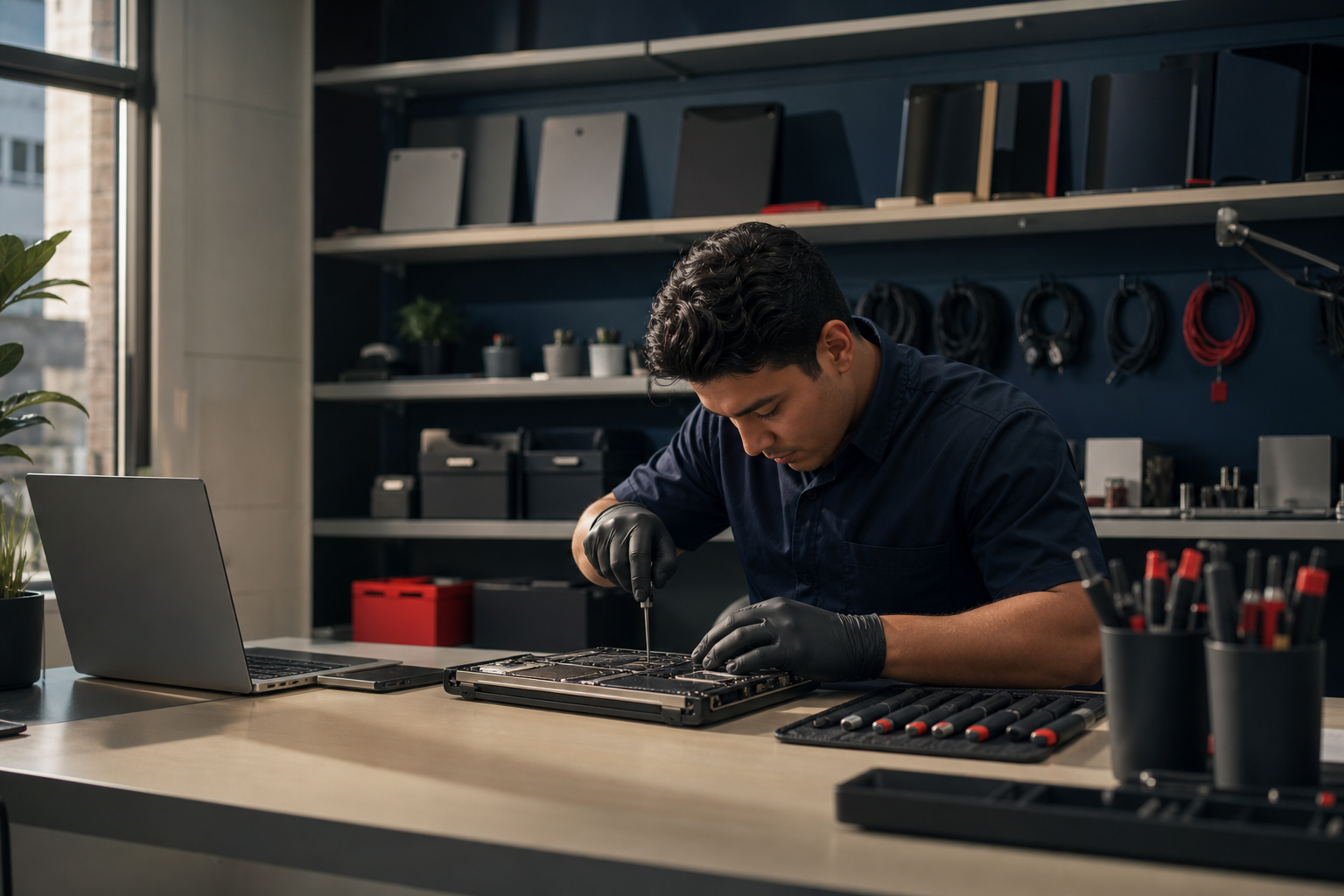
Las regalías en este rubro suelen estructurarse como un porcentaje de los ingresos brutos, en ocasiones con un mínimo fijo, algo estándar en la mayoría de los sistemas de franquicias basados en servicios. Lo que varía más es el compromiso de capacitación y soporte del franquiciante, ya que muchos de estos sistemas exigen que el franquiciatario o sus técnicos obtengan certificaciones específicas, relaciones con proveedores y protocolos de servicio antes de abrir. Un buen FDD explicará con claridad qué cubre la capacitación inicial, cómo es el soporte continuo una vez que el franquiciatario ya está operando, y cómo el franquiciante mantiene actualizado el sistema a medida que la tecnología misma cambia. Ese último punto merece atención real: un franquiciante de tecnología que no ha actualizado su plan de capacitación o sus alianzas con proveedores en años es una señal de alerta, sin importar qué tan bien se vea el folleto.
Una Semana en la Vida del Propietario
La mayoría de las franquicias de tecnología informática están pensadas para un propietario que participa activamente, al menos en los primeros años, aunque la meta a largo plazo sea pasar a un rol más gerencial. Una semana típica puede incluir revisar tickets de servicio y horarios de técnicos, reunirse con varios clientes comerciales para definir alcances de nuevos contratos o renovaciones, gestionar la logística de proveedores y repuestos, y dedicar tiempo real a construir relaciones B2B locales, ya sea a través de socios que refieren clientes, eventos de la cámara de comercio o contacto directo con empresas cercanas.
En general, esto no es un modelo puramente pasivo o de dueño ausente en su primera etapa. Los franquiciatarios que construyen una buena reputación local y un equipo de técnicos capacitado pueden ir migrando poco a poco hacia la supervisión y el desarrollo del negocio, pero el arranque suele exigir presencia práctica, sobre todo en el lado del servicio y la atención al cliente. Los inversionistas que buscan un modelo completamente pasivo desde el primer día deben confirmar, marca por marca, si esa estructura es realista en este caso.
Qué Evaluar Antes de Elegir una Marca
No todos los sistemas de franquicias de tecnología están construidos igual, y las diferencias reales se ven en el FDD, no en una plática de ventas. Cuatro puntos merecen atención especial:
- Definición del territorio. ¿Se basa en población, densidad comercial o un simple radio en el mapa? Un modelo pensado para clientes comerciales necesita un territorio que realmente los incluya en buena cantidad.
- Estructura de cuota y regalías. ¿Cómo se justifica la cuota inicial de franquicia frente a la capacitación y el soporte que se ofrecen, y cómo escala la regalía a medida que crece el negocio?
- Capacitación y soporte continuo. ¿El franquiciante mantiene actualizada la capacitación técnica conforme cambia la tecnología, y cómo es el soporte a los seis meses o a los cinco años de operar, no solo durante la incorporación inicial?
- Rotación de franquiciatarios. El FDD revela cuántos franquiciatarios han salido del sistema y por qué. Una rotación alta en una región o año específico merece una pregunta directa, no que se pase por alto.
Esta es precisamente el tipo de revisión punto por punto que hace TFG antes de recomendar cualquier marca a un inversionista. Como miembro de la Franchise Brokers Association y con la certificación en Cumplimiento de Ventas de Franquicias, TFG analiza el FDD de cada marca candidata dentro de su catálogo de conceptos de franquicia previamente evaluados, comparando estructura de territorio, modelos de cuotas, profundidad de la capacitación e historial de rotación, uno junto al otro. Esa revisión no tiene costo adicional para el inversionista, ya que la compensación proviene del propio sistema de franquicia, una práctica estándar en el corretaje de franquicias.
Inmigración por Inversión y Este Segmento
Para inversionistas internacionales, en particular de Brasil y del resto de Latinoamérica, la categoría de tecnología informática suele aparecer en conversaciones sobre las vías de visa E-2 y EB-5, ya que una franquicia de servicios con operaciones definidas y contratación local puede alinearse con el tipo de inversión activa en un negocio que estas visas requieren. Dicho esto, si una marca específica, un nivel de inversión y un perfil personal en verdad califican para un caso de E-2 o EB-5 es una determinación legal, no una afirmación de marketing. TFG trabaja junto con abogados de inmigración con licencia que evalúan cada caso de forma individual, y ningún consultor de franquicias debería prometer jamás un resultado de visa.
Hacia Dónde Lleva Esto
Nada de esto significa que toda franquicia de tecnología le convenga a cualquier inversionista, y ese es justamente el punto de empezar con información real en lugar de un discurso de ventas. El siguiente paso natural es el diagnóstico gratuito de TFG, que en pocos minutos identifica tu perfil, el capital disponible y una posible ruta de visa. No es un cuestionario para pasar el rato; es el primer paso formal del proceso de TFG, la base de la conversación que tendrás con un consultor que ya sabe en qué casos las franquicias de tecnología informática pueden encajar con tus metas, y en qué casos no.
Empieza el proceso con tu diagnóstico gratuito
Es la primera etapa formal del proceso TFG: unos minutos de preguntas mapean tu capital, tu plazo y la ruta posible. Tu consultor recibe todo listo antes de la primera conversación.
Empezar mi diagnóstico gratuitoPreguntas frecuentes
- ¿Cuánto cuesta abrir una franquicia de tecnología informática?
- Los costos varían mucho según la marca y lo que incluya el concepto, desde un taller de reparación basado en servicio hasta una oferta más amplia de TI administrada o seguridad. La respuesta real para cualquier marca específica está en su FDD, que desglosa la cuota inicial de franquicia, los costos estimados de arranque y las regalías continuas. Ese es precisamente el documento que TFG revisa con los inversionistas antes de comparar opciones.
- ¿Necesito experiencia técnica para tener una franquicia de tecnología informática?
- No necesariamente como propietario, ya que muchos franquiciatarios manejan el lado del negocio mientras contratan o capacitan a técnicos certificados para el trabajo práctico de reparación y TI. Lo que más importa es sentirse cómodo gestionando un equipo de servicio, relaciones con clientes y logística de proveedores. El programa de capacitación de cada franquiciante está pensado para cubrir esos vacíos técnicos, y el FDD detalla exactamente qué incluye esa capacitación.
- ¿Es una franquicia de tecnología informática una inversión pasiva?
- Por lo general no en las primeras etapas. La mayoría de los sistemas de esta categoría esperan un propietario que participe activamente en las relaciones con clientes y en la supervisión del servicio, al menos hasta que exista un equipo capacitado y una reputación local establecida. Algunos franquiciatarios sí transitan hacia un rol más gerencial con el tiempo, pero ese cambio es gradual, no inmediato.
- ¿Puede una franquicia de tecnología informática respaldar una solicitud de visa E-2 o EB-5?
- En principio sí, ya que se trata de negocios activos y basados en servicio, con operaciones definidas y contratación local, lo cual se alinea con lo que suelen requerir las visas E-2 y EB-5. Si una marca específica y un nivel de inversión califican se determina caso por caso por abogados de inmigración con licencia, no por el consultor de franquicias. TFG trabaja junto con asesores de inmigración para evaluar ese encaje.
- ¿Cuál es la diferencia entre una franquicia de reparación de computadoras y una franquicia más amplia de servicios de TI?
- Una franquicia enfocada en reparación suele centrarse en venta de equipos, arreglos de hardware y servicio de clientes que llegan sin cita o dejan su equipo, atendiendo tanto a consumidores como a pequeñas empresas. Una franquicia más amplia de servicios de TI típicamente se enfoca en soporte administrado continuo, seguridad y contratos con clientes comerciales, lo que suele implicar una estructura de territorio distinta y un ritmo de ventas más orientado al B2B. El FDD de cada marca detallará cuál de estos modelos sigue en realidad.
- ¿Cómo se suele definir el territorio en una franquicia de tecnología?
- Como muchos clientes en esta categoría son empresas y no consumidores individuales, el territorio suele definirse por el número de direcciones comerciales o la densidad de población en una zona, más que por un simple radio geográfico. Esa estructura protege la capacidad del franquiciatario para llegar a suficientes clientes comerciales y sostener el negocio. Es uno de los primeros puntos que vale la pena revisar con cuidado en el FDD antes de firmar nada.
Del blog, sobre esta categoría
Todos los artículos →

Tu próximo paso tiene nombre: diagnóstico.
Responde el cuestionario de 2 minutos y recibe tu diagnóstico preliminar al instante. Es el mismo documento que abre tu conversación con el especialista de TFG.
Contenido educativo sobre el segmento. No es una oferta de franquicia específica, ni asesoría financiera o legal. La oferta de franquicia la hace únicamente el franquiciador, mediante el documento oficial de divulgación. Los caminos de visa siempre son evaluados por abogados de inmigración licenciados.