
How Much It Costs to Open a Gym or Fitness Franchise in the USA
October 29, 2026 · The Franchise Group USA
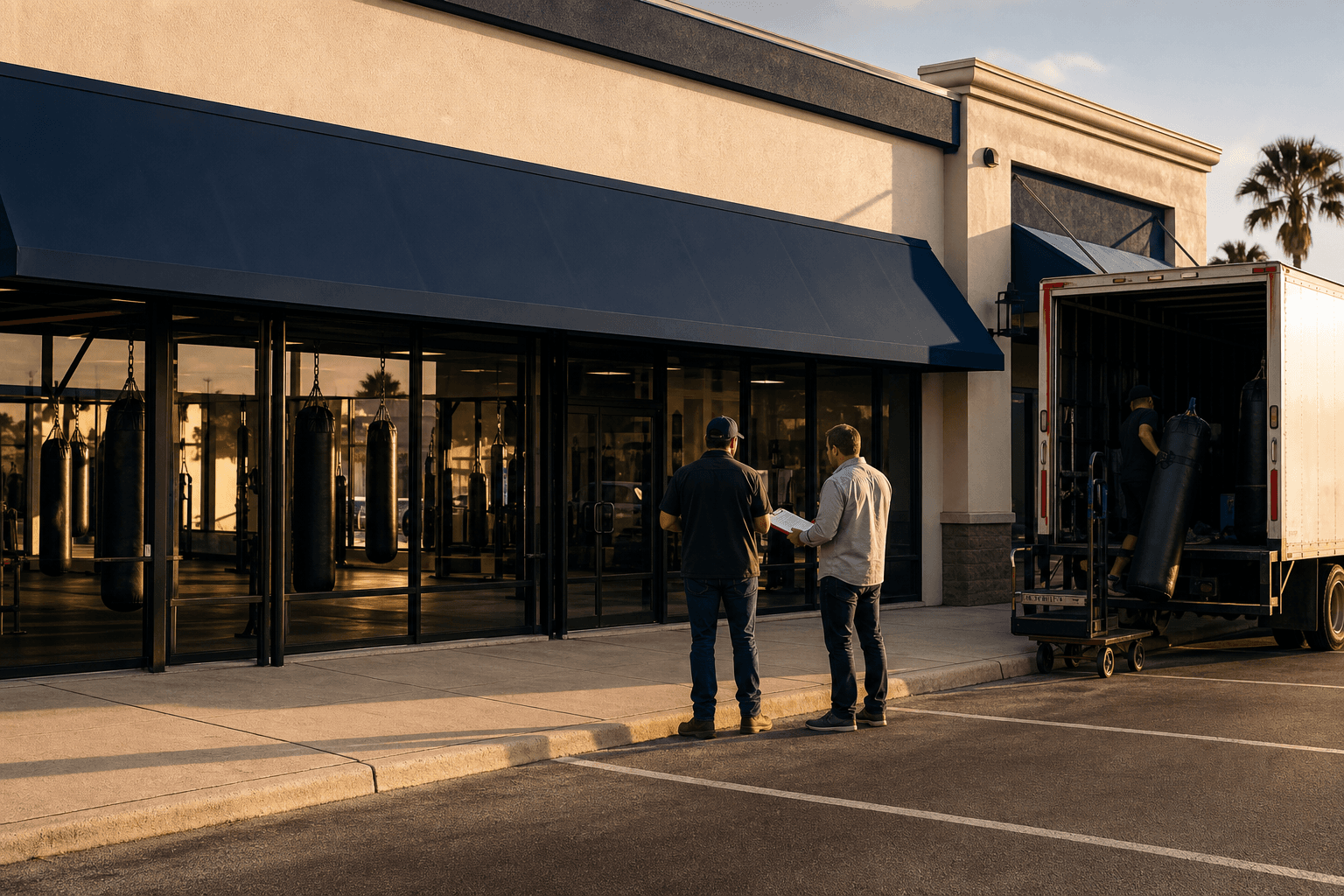
You've got three tabs open right now: one with the Instagram page of a boxing fitness chain whose follower count just exploded, another with Google translating "franchise disclosure document," and a third with a currency calculator you've had open since yesterday. The question that brought you here is simple: what does it actually cost to open a fitness franchise in the United States? And the honest answer is that it depends entirely on the format you choose, because "fitness" in the US isn't just one thing.
Before we get into any numbers (and spoiler, you won't find specific figures here), it's worth understanding how this investment is structured and why it varies so much even within the broader health and wellness space.
Why there's no single "price tag" for a fitness franchise
Every franchise brand in the US is required by federal law to disclose Item 7 of the FDD (Franchise Disclosure Document), which lists estimated investment ranges for that specific business, at that specific time, in that specific market. These numbers shift from brand to brand and year to year, partly because construction costs, equipment prices, and commercial rent all vary by state and even by city. The only party who can give you a real number is the franchisor, FDD in hand, and that's exactly the document TFG sits down with you to read line by line before you make any decisions.
What we can do here, and what actually helps, is break down which line items make up this investment and why they carry different weight depending on which type of fitness business you're looking at.
The typical line items in a fitness franchise investment include:
- Initial franchise fee, paid to the franchisor for the right to operate under the brand and use its system.
- Buildout and space improvements, usually the heaviest expense in fitness, since it involves specialty flooring, mirrors, locker rooms, climate control, and sometimes structural work.
- Equipment, everything from treadmills and weights to bikes, racks, screens, sound systems, and heart rate monitoring.
- Initial inventory, smaller in fitness than in food service, but still there: supplements, hygiene products, uniforms.
- Working capital for the first few months, to cover payroll, rent, and marketing before cash flow stabilizes.
That last line, working capital, is the one first-time investors underestimate most. Fitness franchises have a membership ramp-up curve: it takes months before a recurring client base can sustain the operation on its own. That's why every brand's FDD estimates its own working capital figure, and that figure, not the generic "total cost" number floating around some group chat, is what you actually need to take seriously.
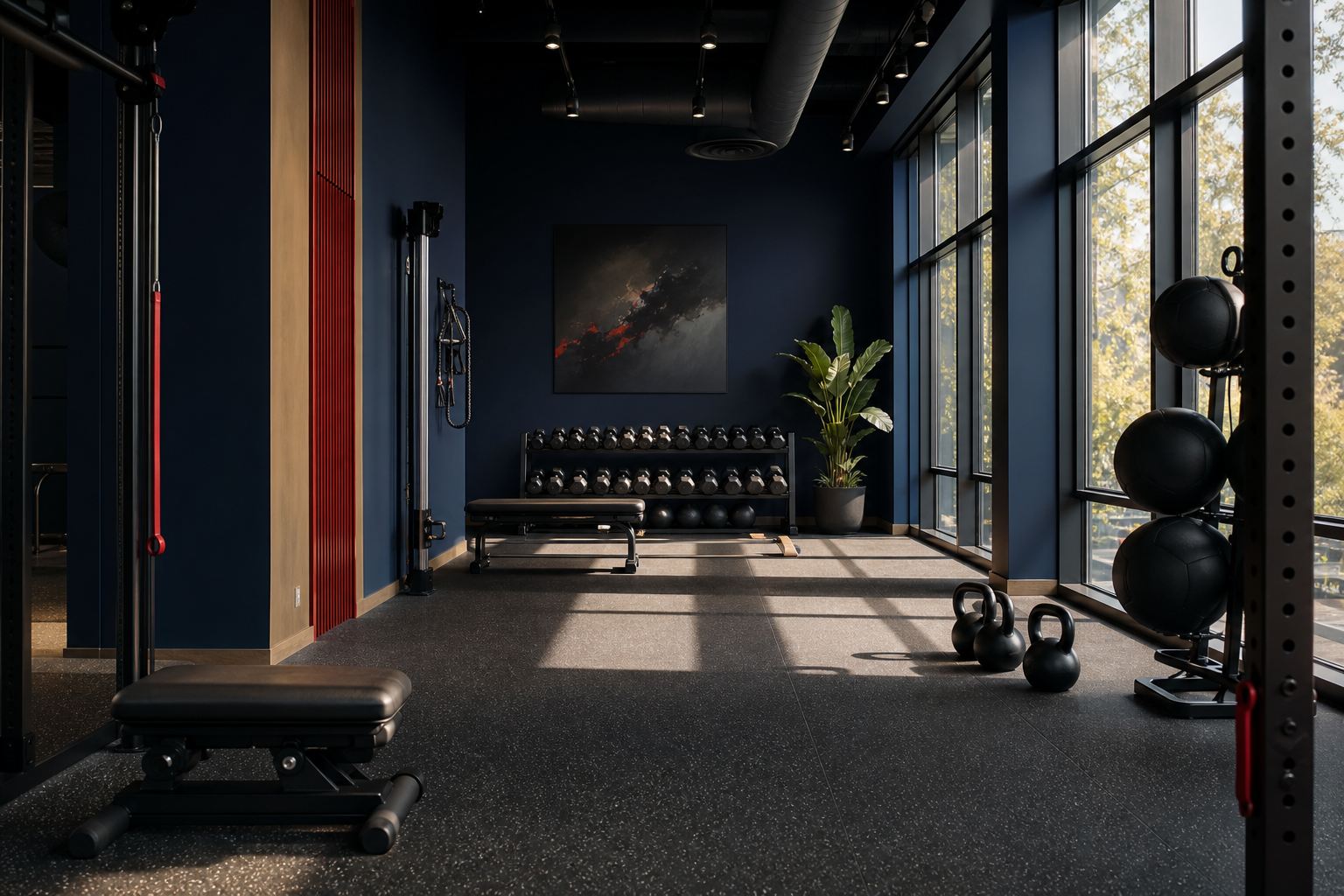
Fitness formats shape the investment structure
Within health and wellness, fitness breaks down into subcategories that operate very differently day to day, and that difference shows up directly in how the capital gets allocated.
Boutique studios (indoor cycling, group functional training, reformer pilates) usually call for a smaller space, a lean team, and a more contained construction budget, but they rely heavily on full classes and a charismatic instructor, which means the owner's presence, or that of a manager with strong people skills, really matters in the first few years.
Big-box gyms, with full weight rooms, extensive cardio areas, and sometimes a pool, need a larger space, equipment in bulk, and a bigger team from day one. Construction and equipment dominate the investment here, but once the operation is up and running, it tends to depend less on the owner's daily involvement, since the model is more systematized.
Recovery and wellness businesses (cryotherapy, therapeutic massage, assisted stretching, recovery spas) generally need a compact space and a small, specialized team, with the investment concentrated in specific technical equipment rather than square footage.
Youth and family fitness (gymnastics, swimming, martial arts for kids) follows the school calendar closely and depends on building trust with parents, so local marketing carries more weight here than in other formats.
A side by side comparison makes this easier to picture.
| Format | Space and team | Owner involvement |
|---|---|---|
| Boutique studio | Smaller space, lean instructor team | High, especially early on |
| Big-box gym | Large space, sizable team | Moderate once established |
| Recovery and wellness | Compact space, small technical team | High, requires specialization |
| Youth fitness | Mid-size space, seasonal team | Moderate, but steady marketing needed |
The real takeaway from this table isn't which format is "best," it's which day-to-day routine fits where you are in life. If you want to run the business hands-on in the first few years, boutique or recovery tends to be a good fit. If you're after a more hands-off, administrative setup with a hired manager, big-box or an established youth fitness franchise is usually the better bet.
Common mistakes when budgeting for this investment
The first mistake is treating working capital like an emergency fund instead of a planned part of the investment. Each brand's FDD estimates how long it takes to reach operational break-even, and ignoring that number is the most common reason owners run into cash flow trouble in year one.
The second is comparing investment ranges across different brands without factoring in location. Commercial square footage and labor costs in Orlando aren't the same as in New York or a small town somewhere in the Midwest, and that changes how much of the total goes toward construction.
The third is putting off licensing and inspections until later. Fitness businesses require specific permits, sometimes fire safety inspections and accessibility compliance, so it's worth reading TFG's guide on business licenses and permits in the US for 2026 before signing any lease.
And the fourth, for anyone thinking of using this investment as a path to residency, is assuming any franchise automatically qualifies for a visa. Eligibility for an E-2 or EB-5 depends on the investor's profile, the amount invested, and other factors that only licensed immigration attorneys can evaluate case by case. If you're already at that stage and traveling with a spouse and kids, you probably have questions about their process too, which we cover in detail here.
The next step is reading the right FDD, not guessing a number
How much it costs to open a fitness franchise in the US is a question that only gets a real answer once you've picked the format, the brand, and the city, because that's when Item 7 of the FDD gives you the actual figure, broken down by franchise fee, construction, equipment, and working capital. TFG walks through this entire process with you, from choosing a segment to reading the FDD alongside a consultant who's reviewed dozens of these documents, all the way to connecting you with partner attorneys if an investor visa is part of the path. All of this at no extra cost to you.
If you already know you want to invest in fitness in the US and just need to turn that into a plan backed by real numbers, talk to a TFG consultant now and schedule a free conversation.
Comments
Be the first to comment.
Ready to find your path?
Take the 2-minute quiz. Our team shows you what fits your capital and your timeline.