
Categoria de franquias
Franquias de Cuidado ao Idoso: Modelos Médico e Não Médico
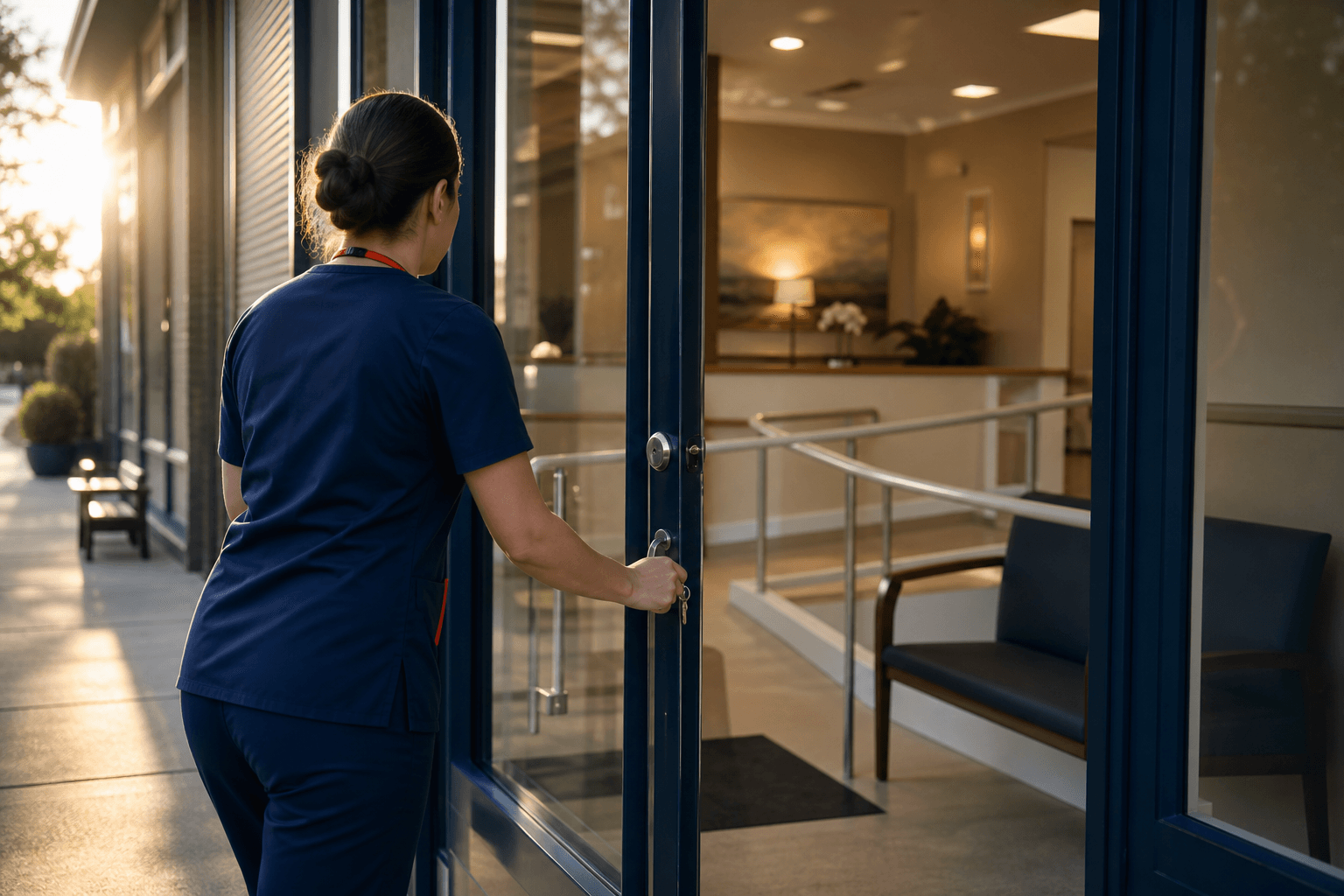
Os Estados Unidos estão envelhecendo mais rápido do que o sistema criado para cuidar dessa população. Se você está avaliando uma franquia de cuidado ao idoso, a pergunta que importa não é se existe demanda, mas sim qual modelo, médico ou não médico, combina com o tipo de investidor que você realmente é.
Por Que o Cuidado ao Idoso Está Chamando Tanta Atenção Agora
A lógica por trás desse segmento é pura demografia. Uma geração grande está entrando na faixa etária em que apoio diário, companhia e acompanhamento médico deixam de ser opcionais e passam a ser necessários. Essa mudança não para quando os juros sobem ou quando uma recessão vira manchete. As famílias continuam precisando de alguém para ajudar um dos pais a tomar banho com segurança, controlar a medicação ou simplesmente não ficar sozinho oito horas por dia. É essa a proteção estrutural que o segmento oferece: a necessidade é demográfica, não é um capricho.
A categoria se divide em dois negócios bem distintos. O cuidado não médico ao idoso cobre companhia, tarefas leves da casa, preparo de refeições, transporte e apoio nos cuidados pessoais, prestado por cuidadores que não precisam de registro clínico. Já o cuidado médico envolve serviços especializados, acompanhamento de enfermagem, fisioterapia ou gestão clínica de casos, e funciona sob uma realidade regulatória e de equipe totalmente diferente. Os dois atendem a mesma população idosa, mas atraem donos diferentes, estruturas de capital diferentes e rotinas diárias diferentes.
Essa combinação costuma atrair investidores que buscam um negócio de serviços com receita recorrente construída em cima de relacionamento, não de movimento de loja. Também atrai gente com uma ligação pessoal com o tema, seja por ter cuidado de um familiar, seja por vir da área de saúde, gestão ou operações. Se você procura um segmento que não depende do fluxo de um shopping ou de época do ano, o cuidado ao idoso está em uma categoria completamente à parte.
Como o Modelo de Franquia Funciona Nesse Setor
Toda franquia séria nesse setor é regida por um documento de divulgação da franquia, o FDD, e é ali que estão as condições reais do negócio. Ele detalha a taxa inicial de franquia, a estrutura de royalty contínuo e como a franqueadora define e protege seu território, geralmente com base na densidade populacional e no número de idosos em determinado raio, e não em um círculo fixo de quilometragem. Numa categoria tão dependente da demanda local, a definição de território pesa mais aqui do que na maioria dos outros segmentos de franquia, e vale entender exatamente como cada marca traça essa linha antes de assinar qualquer coisa.
O investimento inicial nesse setor costuma cobrir custos de licenciamento e certificação (que variam por estado, especialmente no lado médico), sistemas de recrutamento e treinamento de cuidadores, uma plataforma de agendamento e gestão de clientes, e capital de giro para cobrir a folha de pagamento até que a cobrança dos clientes comece a entrar. Operações não médicas geralmente carregam uma exigência de conformidade e uma partida mais leves. Franquias de cuidado médico costumam exigir licenciamento estadual adicional, protocolos de equipe clínica e, às vezes, uma decolagem mais lenta enquanto credenciais e relações com pagadores se estabelecem. Nada disso é chute do lado da franqueadora, e não deveria ser chute do seu lado também: o FDD mostra o que está incluído na estrutura de taxas e o que fica sob sua responsabilidade construir.
Treinamento e suporte são o que separa uma infraestrutura de verdade de apenas uma logomarca com um manual. Uma franqueadora sólida oferece estruturas de contratação e triagem de cuidadores, orientação contínua sobre conformidade à medida que as regras mudam de estado para estado, e apoio de marketing para construir relações de indicação com hospitais, planejadores de alta hospitalar e comunidades de idosos. Essa rede de indicações, mais do que qualquer campanha de anúncio isolada, costuma ser o que enche a agenda de clientes.
Como É de Fato a Semana do Dono
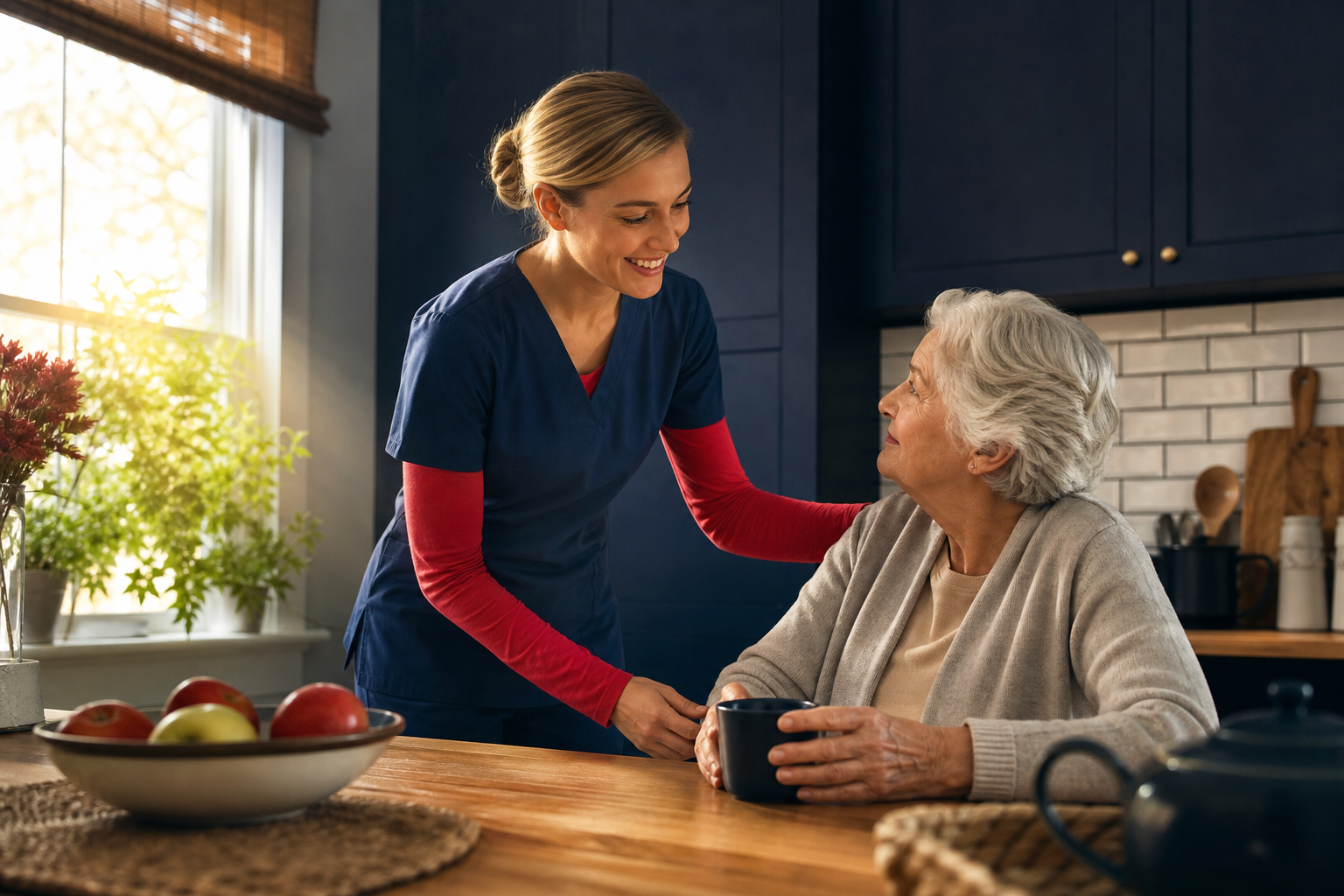
No fundo, é um negócio de gente, tocado por uma agenda. A maioria dos donos no segmento não médico atua como gestor ativo, e não como quem presta o cuidado com as próprias mãos. O ritmo do dia a dia gira em torno de recrutamento e escala de cuidadores, ligações de captação de clientes e manutenção de relações com fontes de indicação, como planejadores de alta hospitalar e gestores de casos. Uma semana típica inclui revisar falhas na equipe, retornar novas consultas de clientes, dar retorno às famílias e garantir que a documentação dos cuidadores e os papéis de conformidade estejam em dia.
Donos de franquias de cuidado médico costumam precisar de formação clínica própria ou de um diretor clínico forte na equipe desde o primeiro dia, já que a legislação estadual frequentemente exige supervisão licenciada para certos serviços. Isso muda o modelo de equipe e o ritmo de decolagem, mas não elimina as exigências de gestão: faturamento, relações com pagadores e relatórios de conformidade continuam na mesa do dono.
Pouquíssimos operadores dessa categoria tocam o negócio de forma totalmente passiva, ao menos no começo. A rotatividade de cuidadores é uma realidade em todo o setor de cuidados domiciliares, e boa parte do trabalho do dono no primeiro ano é construir sistemas de recrutamento e retenção que mantenham cuidadores confiáveis na escala.
O Que Avaliar Antes de Escolher Uma Marca
É no documento de divulgação da franquia que as diferenças reais entre um sistema sólido e um frágil aparecem, e vale saber o que procurar antes mesmo de o nome de uma marca entrar na conversa.
| Fator | Modelo Não Médico | Modelo Médico |
|---|---|---|
| Exigência de licenciamento | Mais leve, específica por estado | Mais pesada, exige credenciais clínicas |
| Envolvimento do dono | Gestor ativo, sem prestar cuidado direto | Costuma exigir supervisão clínica |
| Prazo de decolagem | Mais rápido até o primeiro cliente | Mais lento, depende de credenciamento |
A tabela acima não é um ranking. É um retrato de como esses dois caminhos podem funcionar de forma bem diferente no dia a dia, mesmo dentro da mesma categoria ampla.
A definição de território merece atenção redobrada aqui, justamente porque a demanda por cuidado ao idoso está tão ligada à população local. Pergunte como a franqueadora mede e protege esse território, e o que acontece se a demografia de uma comunidade vizinha mudar. Na estrutura de taxas, não fique só no número de destaque: estude no que o royalty contínuo é investido. Tecnologia, atualizações de conformidade e relações com contas nacionais valem o preço, e um documento vago sobre o que você recebe em troca desse royalty é um sinal de alerta.
Profundidade do treinamento e rotatividade de franqueados são os dois indicadores mais claros de um sistema forte. Uma franqueadora que investe em infraestrutura de treinamento de cuidadores, suporte de conformidade e orientação operacional contínua costuma manter seus franqueados por mais tempo. Uma taxa alta de rotatividade, ou um padrão de transferências em vez de fechamentos, conta a própria história, e isso está divulgado no documento, se você souber onde procurar.
É exatamente essa análise que a TFG faz antes de recomendar qualquer coisa. Como membro da Franchise Brokers Association e com certificação em Franchise Sales Compliance, a TFG revisa o FDD ponto a ponto dentro de um catálogo de centenas de marcas verificadas, comparando condições de território, estruturas de taxas, profundidade de treinamento e dados de rotatividade de franqueados antes mesmo da primeira conversa sobre qual marca combina com o seu perfil. Essa análise não custa nada ao investidor; a remuneração vem do sistema de franquia, prática padrão em toda a indústria de corretagem.
Imigração Através de Investimento: Onde Isso se Encaixa
Franquias de cuidado ao idoso aparecem com frequência em conversas sobre vistos E-2 e EB-5 porque o modelo de negócio é fácil de explicar a um analista de imigração: um território de atuação definido, um local de operação e um plano de contratação que cresce junto com o negócio. Para quem busca o visto E-2, essa clareza sobre território e equipe pode ser um trunfo real. Já para o EB-5, a escala e a estrutura variam muito de marca para marca, e a adequação precisa ser avaliada caso a caso.
Nada disso substitui uma orientação jurídica qualificada. Todo caminho de imigração nessa categoria deve ser mapeado e confirmado por advogados de imigração licenciados, que entendam tanto a categoria de visto quanto a estrutura específica da franquia em questão.
Por Onde Começar
Ler sobre a categoria é o primeiro passo. O segundo é descobrir onde o seu capital, sua trajetória e seu prazo de imigração de fato se cruzam com uma marca real, e isso não é algo que um artigo geral consiga fazer por você. O diagnóstico gratuito da TFG é o passo formal seguinte nesse processo: uma conversa curta que mapeia seu perfil, seu capital disponível e seu caminho de imigração em poucos minutos, e que serve de base para a conversa mais aprofundada com um consultor de franquias que já conhece os FDDs dessa categoria de cabo a rabo.
Comece o processo pelo diagnóstico gratuito
É a primeira etapa formal do processo TFG: alguns minutos de perguntas mapeiam seu capital, seu prazo e a rota possível. Seu consultor recebe tudo pronto antes da primeira conversa.
Começar meu diagnóstico gratuitoPerguntas frequentes
- Qual é a diferença entre franquias de cuidado ao idoso médico e não médico?
- Franquias não médicas oferecem companhia, cuidado pessoal e apoio nas atividades diárias sem exigir registro clínico para operar. Franquias médicas prestam serviços especializados de enfermagem, fisioterapia ou gestão clínica de casos e exigem licenciamento estadual e equipe clínica. As duas atraem perfis de donos diferentes e carregam exigências regulatórias e de partida bem distintas.
- Quanto custa abrir uma franquia de cuidado ao idoso?
- O custo varia por marca e conforme o modelo seja médico ou não médico, já que as exigências de licenciamento, equipe e tecnologia mudam bastante. A taxa inicial exata de franquia, a estrutura de royalty e a faixa total de investimento estão detalhadas no FDD de cada franqueadora, documento que um consultor revisa ao ajudar a encontrar a marca certa para você.
- Preciso ter formação em saúde para ter uma franquia de cuidado ao idoso?
- Na maioria das franquias não médicas, não, já que o dono administra cuidadores, agenda e relações de indicação em vez de prestar o cuidado diretamente. Franquias de cuidado médico geralmente exigem um dono com credenciais clínicas ou um diretor clínico licenciado na equipe, dependendo da legislação estadual.
- Uma franquia de cuidado ao idoso pode se qualificar para visto E-2 ou EB-5?
- Franquias de cuidado ao idoso costumam se encaixar bem no perfil E-2 por causa do território definido e do plano de crescimento de equipe, e algumas estruturas podem funcionar para EB-5 dependendo da escala. Qualquer caminho de visto precisa ser confirmado por um advogado de imigração licenciado, avaliando o seu caso específico.
- Como é definido o território de uma franquia de cuidado ao idoso?
- As franqueadoras costumam definir o território com base na densidade populacional e na concentração de idosos em determinada área, e não em um raio fixo, já que a demografia local influencia diretamente o volume de clientes. O método específico e as proteções estão detalhados no documento de divulgação da franquia de cada marca.
- Cuidado ao idoso é um negócio que exige presença direta ou pode ser tocado de forma semi-passiva?
- A maioria dos donos atua como gestor ativo, cuidando de recrutamento de cuidadores, escala e relações de indicação, em vez de investidores totalmente passivos, especialmente no primeiro ano ou dois. Modelos de cuidado médico costumam exigir ainda mais envolvimento direto do dono ou de um diretor clínico por causa das exigências de licenciamento.
Do blog, sobre esta categoria
Todos os artigos →

Seu próximo passo tem nome: diagnóstico.
Responda o questionário de 2 minutos e receba seu diagnóstico preliminar na hora. É o mesmo documento que abre a sua conversa com o especialista TFG.
Conteúdo educativo sobre o segmento. Não é oferta de franquia específica, aconselhamento financeiro nem jurídico. Oferta de franquia é feita somente pelo franqueador, por meio do documento oficial de divulgação. Caminhos de visto são sempre avaliados por advogados de imigração licenciados.