
Categoría de franquicias
Franquicias de Café, Té, Smoothies y Postres en Estados Unidos
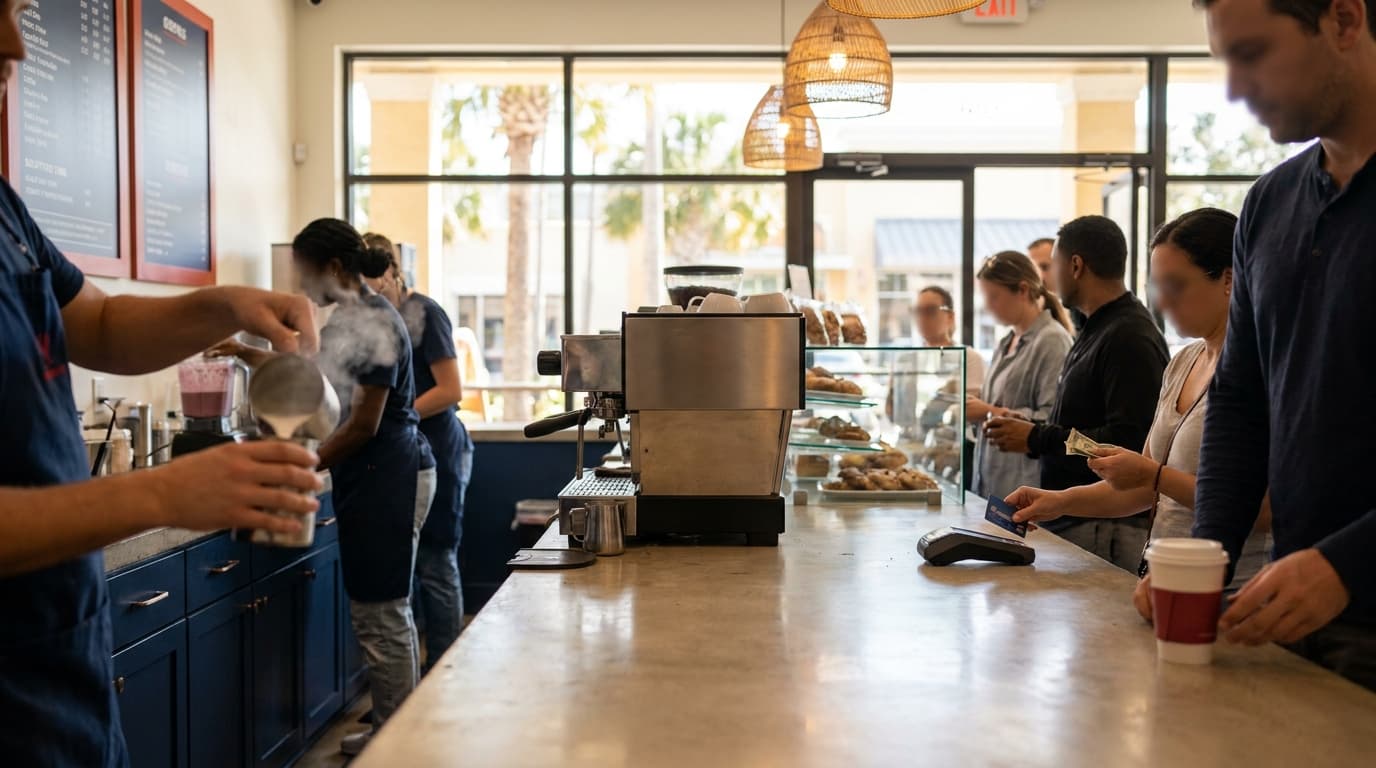
Todo el mundo quiere un café, un smoothie o un antojo dulce, tanto en un día malo como en uno bueno. La verdadera pregunta no es si la gente va a seguir comprando. Es qué marca merece tu capital.
Por Qué Este Segmento Sigue Atrayendo Inversionistas
El café, el té, los smoothies y los postres pertenecen a una categoría que se comporta distinto al resto del comercio minorista. La gente no deja de comprar un latte de 5 dólares o un smoothie de 7 dólares cuando la economía se aprieta, como sí lo hace con las compras grandes. Ese pequeño gusto diario es de lo último que el consumidor deja de darse, y es de lo primero que retoma cuando la confianza vuelve. Los analistas de franquicias llaman a esto una categoría resistente, capaz de aguantar incluso en épocas de recesión, y esa es una de las grandes razones por las que este espacio sigue atrayendo tanto a quienes se inician en el mundo de las franquicias como a inversionistas que ya manejan un portafolio.
También es una de las puertas de entrada más accesibles al mundo de las franquicias. Frente a un restaurante de servicio completo o un hotel, estos conceptos suelen operar en espacios más pequeños, con construcciones más ligeras y una operación de cocina más simple. Esa combinación de demanda constante y menor complejidad operativa explica por qué este segmento aparece tan seguido en las conversaciones que tenemos con inversionistas que están evaluando su primera franquicia en Estados Unidos.
Le queda bien a un abanico amplio de perfiles: al inversionista que busca un negocio con flujo de caja diario y una base de clientes fiel en su zona, a la familia que quiere algo que todos puedan ayudar a manejar, y al inversionista internacional que busca un modelo de negocio claro y bien documentado sobre el cual construir su presencia en Estados Unidos.

Cómo Funciona el Modelo en la Práctica
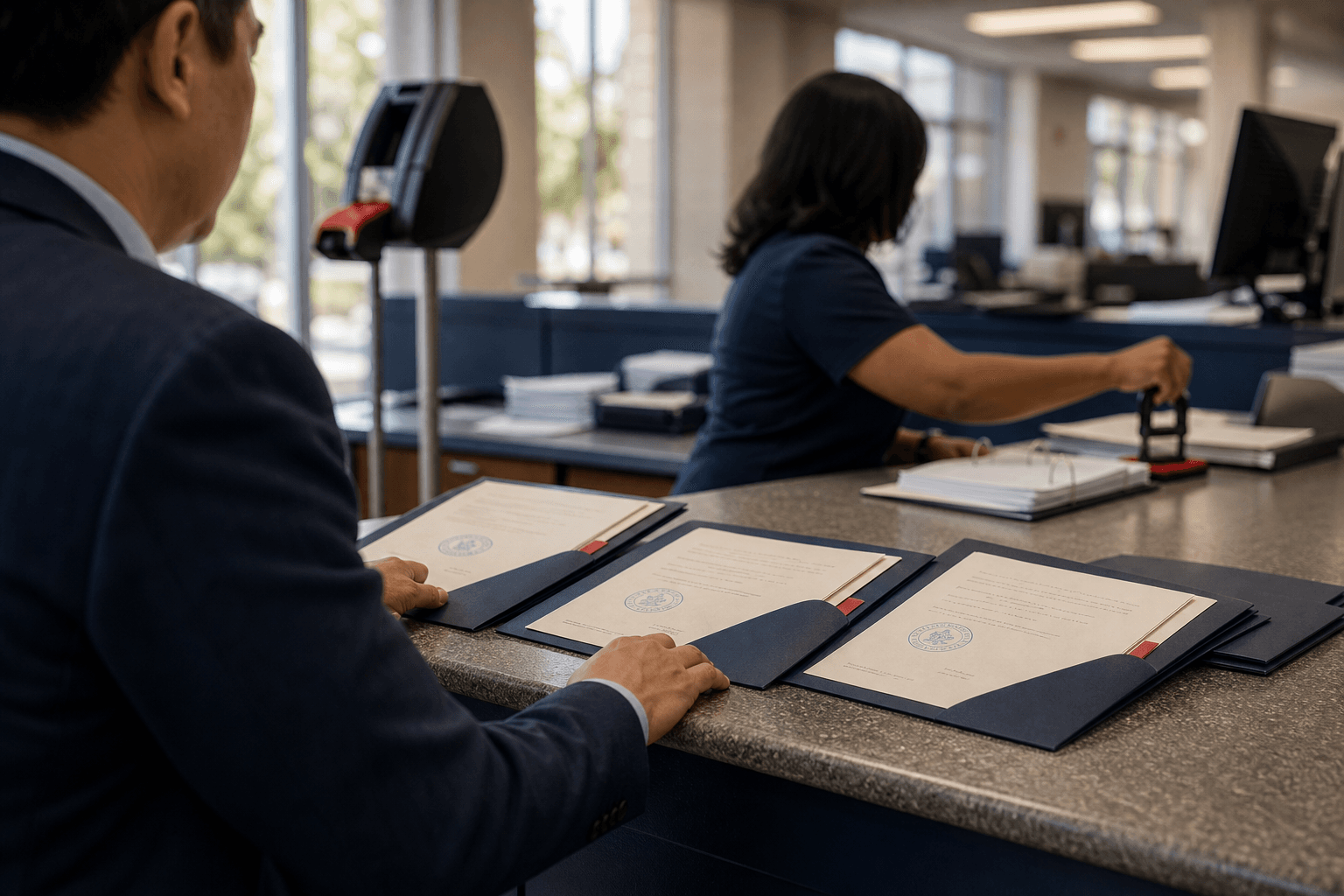
Toda franquicia de esta categoría se vende a través de un Documento de Divulgación de Franquicia, o FDD, un documento legal que el franquiciante está obligado a entregar a cualquier candidato antes de que se mueva un solo dólar. Ahí es donde viven las condiciones reales del negocio, y conviene entender su mecánica básica antes de enamorarte de una marca.
El FDD detalla la cuota inicial de franquicia, que es lo que pagas por adelantado para tener el derecho de abrir bajo el nombre y el sistema de la marca. También establece la estructura de regalías, normalmente un porcentaje recurrente sobre las ventas brutas que se paga al franquiciante mientras operes el negocio. Además, la mayoría de los sistemas exigen un aporte a un fondo compartido de mercadeo o publicidad, que reúne recursos de todos los franquiciatarios para construir la marca a nivel regional y nacional.
El territorio es otra pieza clave. El FDD define el área protegida, si la hay, donde el franquiciante no colocará otra unidad de la misma marca. En una categoría que vive del tráfico peatonal diario, qué tan amplio o ajustado esté definido ese territorio puede ser la diferencia entre el éxito y el fracaso de tu base de clientes a largo plazo.
La capacitación y el acompañamiento también están en el FDD, y varían mucho de un franquiciante a otro. Un sistema bien manejado suele incluir capacitación inicial en una ubicación de la empresa o en un centro de entrenamiento, apoyo presencial durante el periodo de apertura, y respaldo operativo continuo: visitas de campo, guías de mercadeo, relaciones con proveedores y tecnología para pedidos y programas de lealtad. Esta es la parte del documento que te dice si un franquiciante realmente se involucra en tu éxito o si solo te está prestando su nombre.
Un Día en la Vida del Dueño
La mayoría de los conceptos de esta categoría se construyen bajo un modelo de propietario operador, al menos en las primeras etapas. Eso significa que tú, o un gerente general contratado bajo tu supervisión directa, estás presente en el local manejando personal, inventario, control de calidad y experiencia del cliente día a día. Conforme la unidad madura y armas un equipo de confianza, muchos dueños se mueven hacia un rol más de supervisión, revisando números, guiando gerentes y planeando el crecimiento en lugar de estar preparando bebidas ellos mismos.
Una semana típica arranca temprano con la preparación para abrir, pedidos de café, lácteos, fruta y empaques, la programación y capacitación del personal, la revisión de ventas diarias frente a los costos de nómina, y mantenerse cercano con los clientes habituales, que suelen convertirse en la columna vertebral del negocio de un local. Los fines de semana suelen ser los de mayor movimiento. Si eres el tipo de inversionista que quiere sentir el pulso del negocio de primera mano, sobre todo en el primer año, esta categoría recompensa esa presencia directa.
Para los inversionistas que más adelante quieren alejarse de la operación diaria, algunas marcas de este espacio permiten la propiedad de múltiples unidades con un gerente general a cargo del día a día. Si eso es realista para una marca en particular depende por completo de lo que su FDD y su estructura de apoyo al franquiciatario permitan de verdad, y ese es exactamente el tipo de detalle que vale confirmar antes de firmar nada.
Qué Evaluar Antes de Elegir una Marca
No todas las franquicias de café, té, smoothies o postres están construidas igual, y las diferencias aparecen en el FDD mucho antes de aparecer en tu cuenta bancaria. Algunos puntos que vale la pena revisar con lupa:
Definición del territorio. ¿Es un radio exclusivo protegido, un área definida por población, o algo más laxo que deja espacio para que el franquiciante coloque otras unidades cerca? En un negocio que depende del tráfico peatonal, esta sola cláusula puede definir tu techo de crecimiento.
Estructura de cuotas y regalías. La cuota inicial de franquicia es solo el boleto de entrada. Revisa con cuidado el porcentaje de regalías y el aporte al fondo de mercadeo, y entiende exactamente qué obtienes a cambio de cada uno.
Capacitación y apoyo que realmente se cumple. Pregunta cómo se ve el respaldo de la casa matriz en el mes tres, en el mes doce y en el año tres, no solo durante la semana de apertura, que siempre luce impecable. El FDD te dice qué está contractualmente prometido, y vale la pena investigar qué tan consistente es ese cumplimiento en la práctica.
Rotación de franquiciatarios. El FDD revela transferencias, terminaciones y franquiciatarios que salieron del sistema. Un patrón de alta rotación en una marca es una de las señales de alerta más claras que tiene un comprador potencial, y suele pasarse por alto entre quienes se inician en franquicias y se enfocan solo en el concepto y el menú.
Esta lectura del FDD línea por línea, comparada con todo lo que el mismo franquiciante ha divulgado antes, es precisamente el trabajo que TFG hace con cada marca de su catálogo antes de presentarla a un inversionista. Como miembros de la Franchise Brokers Association con certificación en Franchise Sales Compliance, nuestro equipo revisa el documento renglón por renglón para que tomes una decisión con el panorama real, no solo con el discurso de venta. Ese análisis no te cuesta nada extra: nuestra compensación viene del sistema de franquicia, que es la estructura estándar en la industria de corretaje.
Inmigración para Inversionistas: Dónde Encaja Este Segmento
Para inversionistas internacionales, en particular de Brasil y del resto de Latinoamérica, las franquicias de esta categoría en algunos casos se estructuran de forma que se alinean con la visa de inversionista E-2, la cual exige que un nacional de un país con tratado haga una inversión sustancial y en riesgo real en un negocio en Estados Unidos que él mismo dirigirá y desarrollará. Las estrategias de desarrollo de múltiples unidades más grandes en este espacio pueden, en algunos casos, ser relevantes también para conversaciones sobre la EB-5, aunque ese programa tiene su propio marco de capital y creación de empleo.
Nada de esto es una promesa ni una garantía de ningún resultado migratorio. Cada camino migratorio depende de tu historial personal, tu estructura de capital y los hechos específicos de tu caso, y siempre debe ser evaluado por un abogado de inmigración con licencia. Lo que hace TFG es conectar el lado del negocio con el lado legal, trabajando junto a abogados de inmigración aliados para que tu elección de franquicia y tu estrategia de visa se construyan juntas, y no como dos conversaciones separadas que nunca se hablan entre sí.
Tu Siguiente Paso
Si un concepto de café, té, smoothies o postres suena como el tipo de negocio que te imaginas manejando, o supervisando, el siguiente paso no es empezar a escribirle a franquiciantes uno por uno. Es arrancar el proceso de la forma correcta: con un diagnóstico gratuito. En una conversación breve, mapeamos tu perfil de inversionista, tu capital disponible y, cuando aplica, tu camino de visa, y luego comparamos ese panorama con todo nuestro catálogo de marcas de franquicia evaluadas. Es el primer paso formal del proceso de TFG, y es la base de todo lo que un consultor conversará contigo después.
Empieza el proceso con tu diagnóstico gratuito
Es la primera etapa formal del proceso TFG: unos minutos de preguntas mapean tu capital, tu plazo y la ruta posible. Tu consultor recibe todo listo antes de la primera conversación.
Empezar mi diagnóstico gratuitoPreguntas frecuentes
- ¿Cuánto cuesta abrir una franquicia de café, té o smoothies en Estados Unidos?
- Los costos varían mucho según la marca y el formato, desde kioscos pequeños hasta locales completos. El FDD de cada marca específica revela la cuota inicial de franquicia y el rango estimado de inversión total, y ese es el documento que revisamos contigo antes de cualquier decisión.
- ¿Necesito experiencia en restaurantes para tener una franquicia de esta categoría?
- No, la mayoría de los sistemas de esta categoría están pensados para quienes se inician en el mundo de las franquicias y ofrecen capacitación inicial más apoyo operativo continuo. Lo que más importa es tu capacidad para manejar personal, vigilar los números diarios y estar presente durante los primeros meses del negocio.
- ¿Puedo manejar este tipo de franquicia a medio tiempo o desde el extranjero?
- La mayoría de las marcas de esta categoría esperan un dueño operador presente en el local, al menos en las primeras etapas, ya que el control de calidad diario y la supervisión del personal son parte central de la experiencia del cliente. Algunos sistemas sí permiten un modelo con gerente general para dueños que planean crecer más allá de una unidad, y ese detalle depende por completo de la estructura de cada franquiciante.
- ¿Una franquicia de café o smoothies es buena opción para una visa E-2?
- Estos conceptos en algunos casos se estructuran de forma que se alinean con los requisitos de la E-2, ya que el inversionista normalmente dirige y desarrolla el negocio de forma directa. Que se ajuste a tu caso particular depende de tu monto de inversión, tu plan de negocio y tu historial personal, todo lo cual debe ser revisado por un abogado de inmigración con licencia.
- ¿Cuál es el error más grande que cometen los compradores primerizos en este segmento?
- Elegir una marca por el menú y la apariencia del local en lugar de leer con cuidado el FDD, sobre todo las secciones sobre protección de territorio, rotación de franquiciatarios y qué apoyo realmente continúa después de la semana de apertura. Esos detalles predicen el desempeño a largo plazo mucho mejor que el producto en sí.
- ¿Cómo sé si una marca de franquicia de esta categoría está sana financieramente?
- El FDD revela información sobre transferencias, terminaciones y salidas de franquiciatarios del sistema, que son indicadores claros de cómo una marca trata a sus dueños con el tiempo. Una lectura completa y línea por línea de ese documento, que es exactamente lo que hace nuestro equipo antes de recomendar cualquier marca, dice mucho más que cualquier material de mercadeo.
Del blog, sobre esta categoría
Todos los artículos →

Tu próximo paso tiene nombre: diagnóstico.
Responde el cuestionario de 2 minutos y recibe tu diagnóstico preliminar al instante. Es el mismo documento que abre tu conversación con el especialista de TFG.
Contenido educativo sobre el segmento. No es una oferta de franquicia específica, ni asesoría financiera o legal. La oferta de franquicia la hace únicamente el franquiciador, mediante el documento oficial de divulgación. Los caminos de visa siempre son evaluados por abogados de inmigración licenciados.